Around Camping Les Saules

Visiting South Finistère

South Finistère is a land of distinct identities: harbors of character, wild, windswept points and chapels steeped in history. Between Concarneau and the Pointe du Raz, this coastline offers a diversity of landscapes and atmospheres, making it one of Brittany’s most complete destinations. To prepare your stay, consult our Finistère tourist map and discover our 12 unusual places to explore.

From Concarneau to Pont Aven

This first territory combines maritime heritage and artistic heritage. From the fortified walled town to the banks of the Aven river that inspired Gauguin, this area, accessible from the campsite, captures the essence of South Finistère: ancient stones, changing light and preserved authenticity.

Concarneau

Concarneau unfurls its ramparts on an island in the heart of the port, offering an exceptional architectural heritage and a unique blend of history and contemporary maritime life.

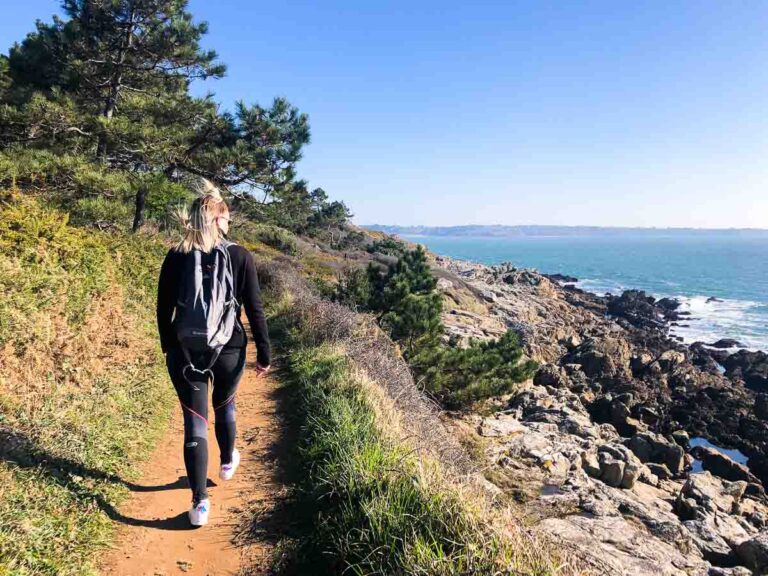
A person with a backpack walks along the Nevez coastal path, traversing rocky terrain and trees with the ocean in the background on a clear day.

The little port of Trévignon embodies the Brittany of fishermen and coastal paths, far from the hustle and bustle of tourism, with its wild coves and lighthouse.

Pont-Aven, South Finistère

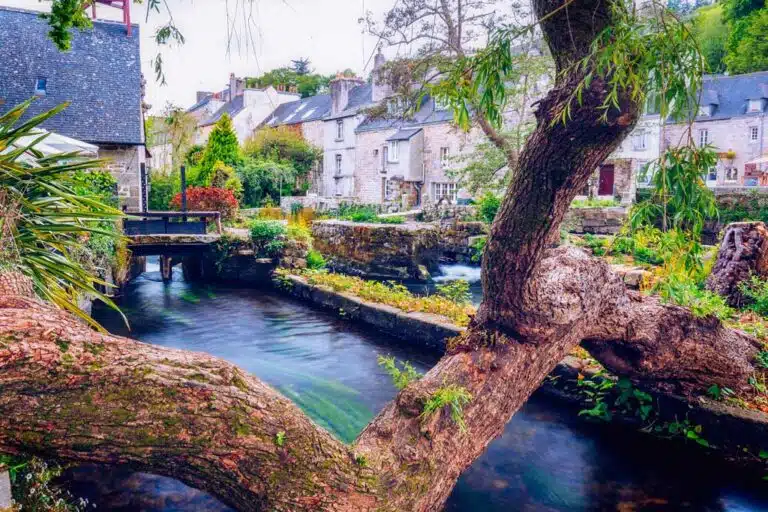
Pont-Aven cultivates its artistic heritage through steep streets, watermills and art galleries that perpetuate the spirit of the school of painting that made it famous.

Le Pays Bigouden Sud

The Bigouden region boasts a strong cultural identity, living traditions and some of the busiest fishing ports in Brittany. This land of character, turned towards the ocean, unveils authentic villages where maritime activity is still the rhythm of daily life.

Ile tudy1

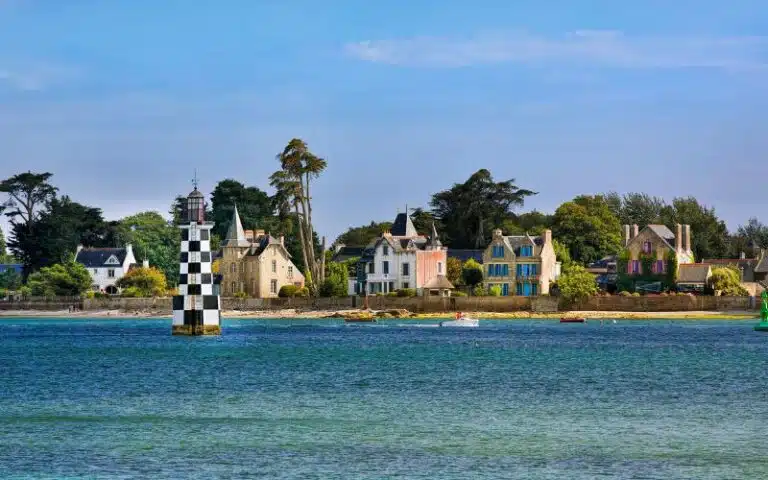
This narrow peninsula offers a very special way of life, with its low-slung houses facing the sea, its fishing village atmosphere and its protected family beaches.

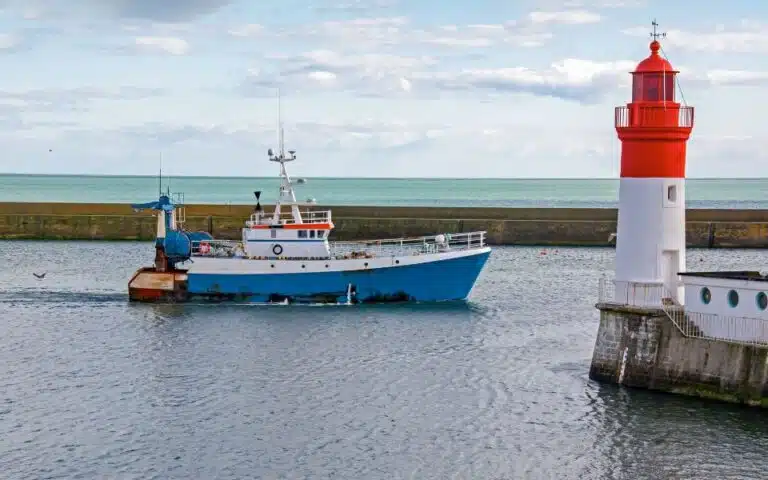
A blue-and-white fishing boat sails by a red-and-white lighthouse in the charming port of Le Guilvinec, a real Breton nugget waiting to be discovered.

In Guilvinec, the return of the trawlers in the late afternoon transforms the port into a living spectacle, a daily testimony to a dynamic maritime economy and preserved know-how.

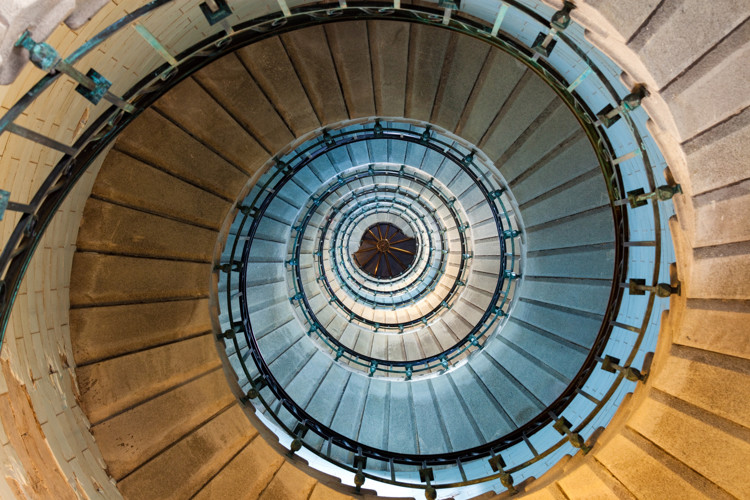
A spiral staircase with stone steps and metal balustrade, reminiscent of the winding hiking trails of South Finistère, seen from above as it creates a circular pattern tapering towards the center.

Penmarch combines maritime heritage with its Eckmühl lighthouse, religious heritage with its scattered chapels and wild coastal landscapes battered by sea spray.

Excursions from Pays Glazik to the Bay of Douarnenez

The Glazik region, an area of green bocage centered on Quimper, stretches from the Montagnes Noires to the Bay of Douarnenez. This inland and coastal Cornouaille boasts a remarkable architectural heritage and towns steeped in history, bearing witness to a deep-rooted, unspoilt Brittany.

Quimper

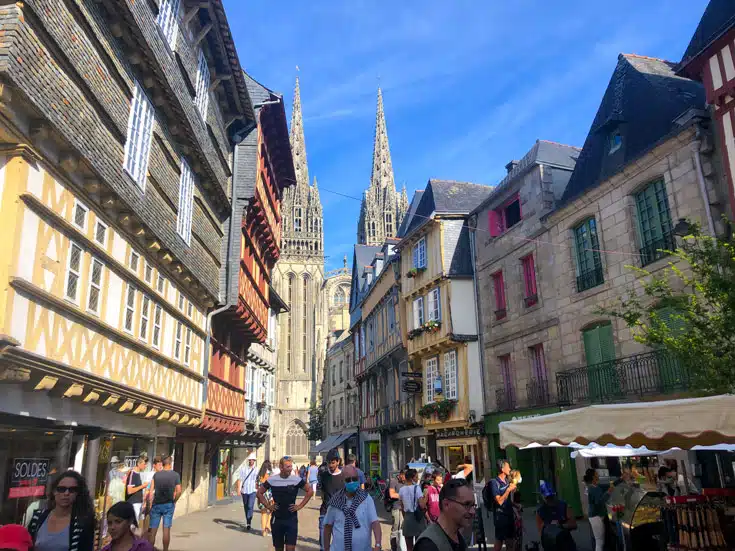
Quimper’s historic medieval center is nestled between the spires of its Gothic cathedral, its timber-framed houses and the quays of the Odet, affirming its status as a city of art and history.

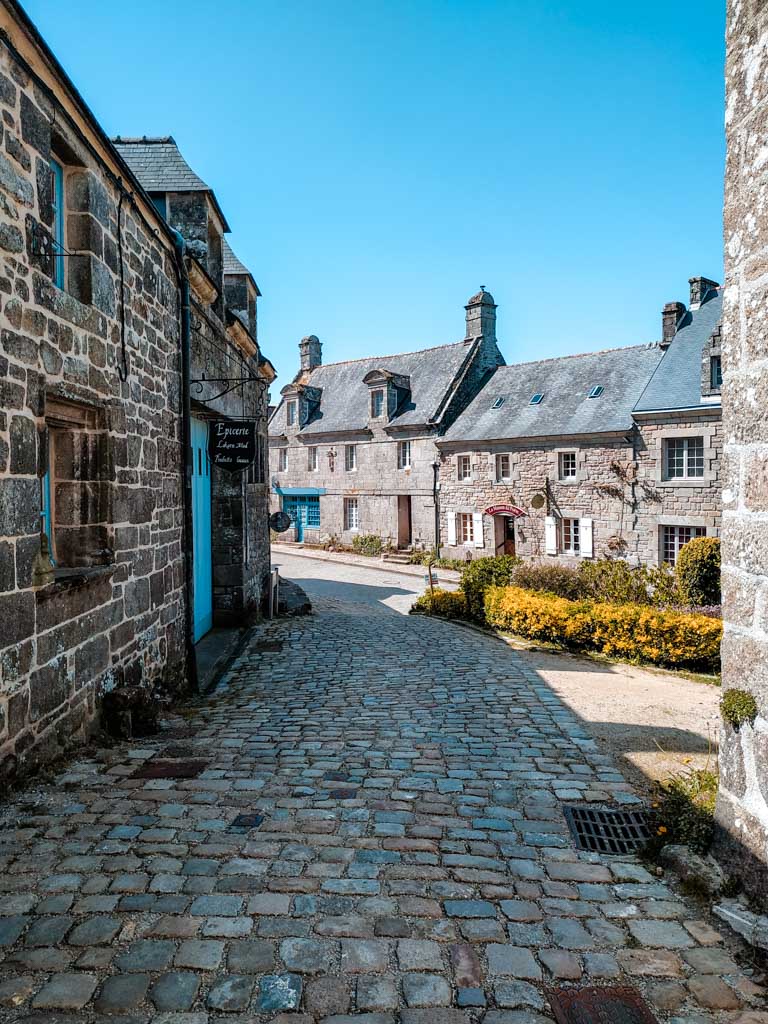
A cobbled Locronan street leads to stone houses with slate roofs under a clear blue sky. Bushes line the road, adding greenery to this picturesque and historic setting, one of many charming attractions for those exploring local tourism.

Locronan freezes time in its cobbled streets and Renaissance square, offering a harmonious architectural ensemble that makes it one of France’s most beautiful villages.

Tristan Island - Douarnenez

Douarnenez stretches its three ports along the bay, between sardine heritage, shipyards and the Port-Musée, which tells the story of Brittany’s maritime history through a unique heritage fleet.

Heading west: the points

The headlands of Finistère are the geographical and emotional culmination of any exploration of the Breton end of the world. These wild capes, where the land fades into the ocean, offer breathtaking panoramas and a direct confrontation with the elements.

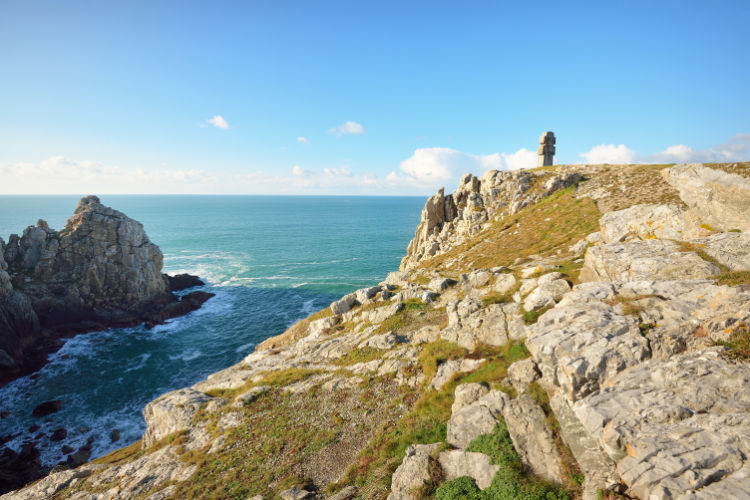
Coastal cliff scene at La Pointe de Pen Hir, with rocky terrain and a stone statue majestically overlooking the sea under a clear blue sky.

Pen-Hir’s 70-metre-high cliffs face the Atlantic, offering a spectacular panorama of the Tas de Pois and the immensity of the ocean, in an end-of-the-world atmosphere.

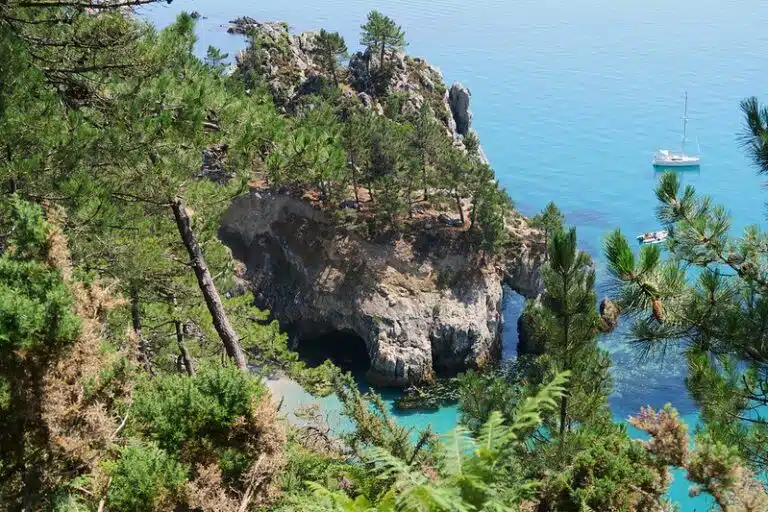
At Cap de la Chèvre, a rocky, tree-lined cliff overlooks clear, turquoise water. Nearby, a sailboat sits peacefully at anchor.

The Cap de la Chèvre ends the Crozon peninsula in a landscape of rough moorland and jagged coastline, between breathtaking cliffs and protected coves of paradise.

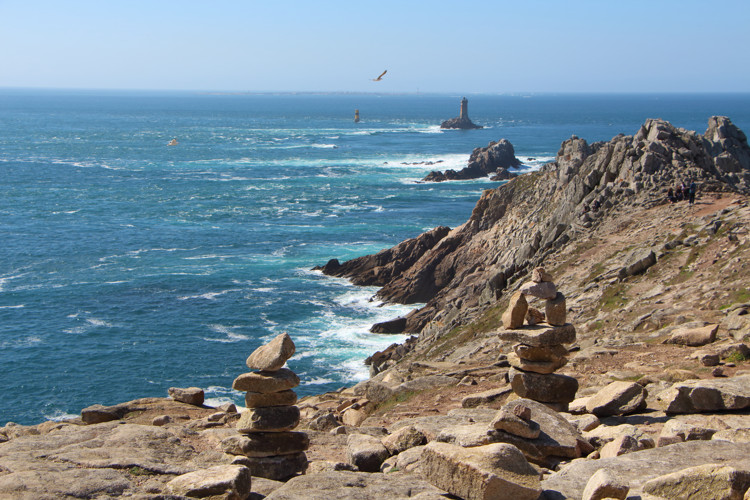
Rocky coastline with piles of stones in the foreground, waves crashing against the cliffs and a lighthouse in the distance under a clear blue sky. Stroll along the beautiful paths of South Finistère while enjoying this breathtaking view.

The Pointe du Raz concentrates the symbolic power of Finistère: sheer cliffs, the violent currents of the Raz de Sein, the Vieille lighthouse off the coast and the feeling of having reached the end of the earth.

Themed activities and discoveries

South Finistère is more than just a destination, it’s an experience that reveals its identity: coastal trails, paddling in protected waters and local flavors are just some of the ways to deepen your immersion in this territory.

Breton specialities

Finistère gastronomy draws its character from seafood, traditional know-how and a culinary identity that goes far beyond crêpes and kouign-amann.

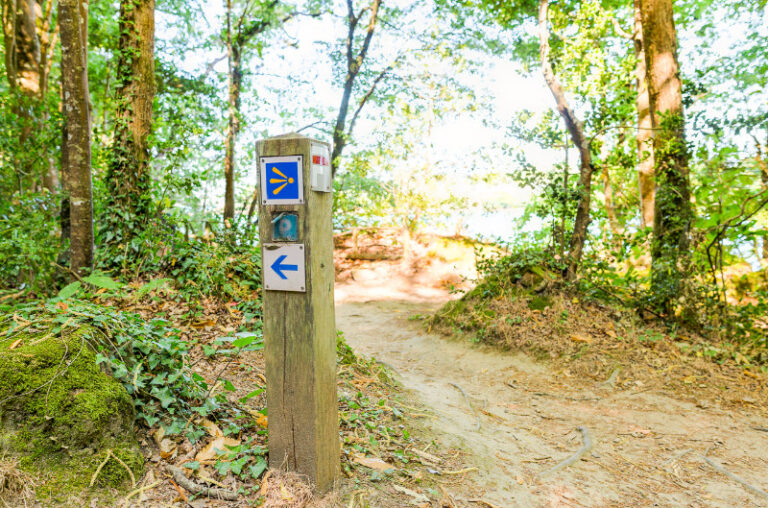
A wooden signpost with blue and white arrows is set amongst the trees, guiding adventurers through a tranquil forest trail in Finistère. Ideal for those camping in the South, it promises an escape into the heart of nature.

The coastal path (GR34) and inland trails offer a variety of itineraries between moors, wild creeks and maritime panoramas, accessible to all levels of walker.

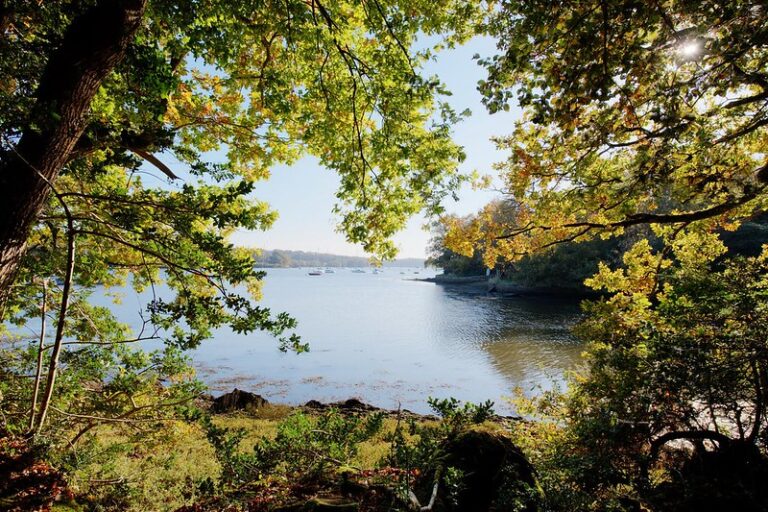
A serene view of a lake in South Finistère, framed by lush green trees, with kayaks gliding gently over the water under a clear blue sky.

Sea kayaking gives you unprecedented views of the coastline, sea caves and islets, offering a different interpretation of the Finistère coastline to the rhythm of the tides.